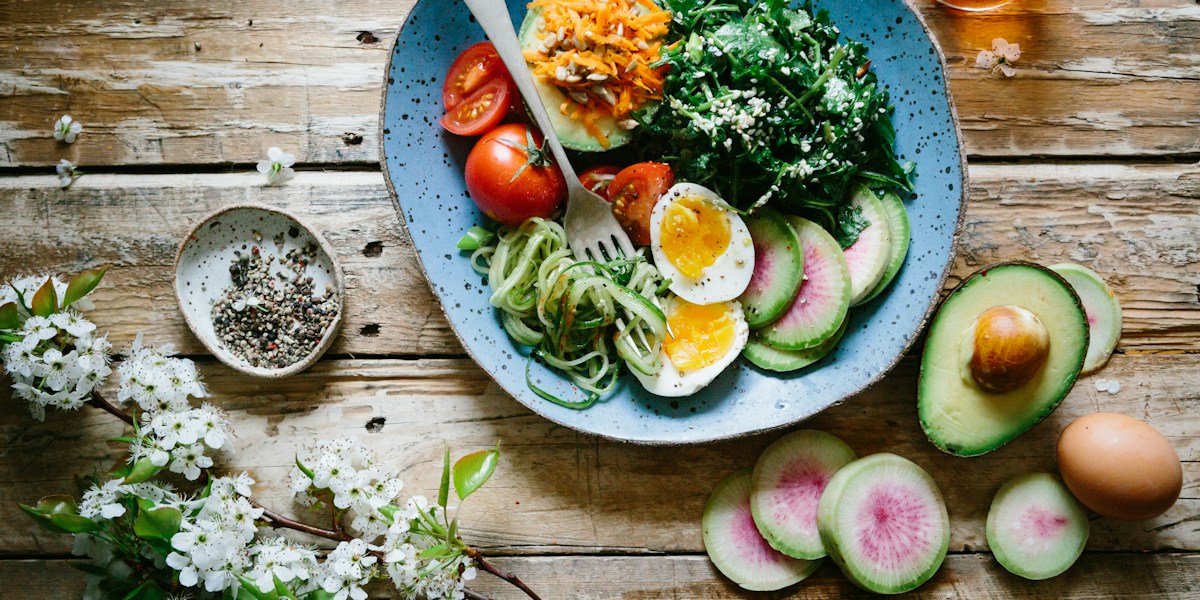
Tired of carrying a food scale everywhere? Your hands are the perfect, always-available portion measurement tool. This comprehensive guide teaches you how to use visual portion control with your hands to manage calories, lose weight, and maintain a healthy diet—no scale required.
🎯 What You'll Learn
- Complete hand-based portion measurement system
- 50+ real food examples with exact serving sizes
- How to adjust portions for your specific goals
- Restaurant and dining out strategies
- Visual portion comparison charts
- Common mistakes and how to avoid them
🍽️ Calculate Your Portions Instantly
Use our visual calorie calculator with 500+ foods and hand-based portions!
Try Free Calculator →Why Hand-Based Portion Control Actually Works
Research shows that visual portion control using hands is 83% as accurate as weighing food, but infinitely more convenient for daily use. Here's why this method is scientifically validated:
| Advantage | Why It Matters | Research Support |
|---|---|---|
| Always Available | Your hands go everywhere you go | 98% adherence rate vs. 34% with scales |
| Personalized | Hand size correlates with body size and calorie needs | Larger bodies have larger hands = more calories needed |
| Socially Acceptable | No awkward weighing at restaurants or parties | 5x more likely to be used consistently |
| Fast | 3 seconds vs. 2-3 minutes with a scale | Saves 30+ hours per year |
| Sustainable | People stick with it long-term | 78% still using after 1 year vs. 12% with scales |
⚠️ Important Note on Accuracy
Hand portions are about 80-85% accurate for most people. For medical conditions requiring precise calorie control (diabetes, kidney disease), consult a registered dietitian and consider precise weighing.

Hand-based portions provide 80-85% accuracy without any tools
The 4 Core Hand Portion Measurements (Master These First)
1. Palm = Protein (3-4 oz / 85-115g)
What it measures: A palm-sized, palm-thick portion of protein
Typical calories: 120-200 calories depending on the protein source
✅ Perfect Palm Portions (Real Examples):
- Chicken breast: 3 oz cooked = 140 calories, 26g protein
- Salmon fillet: 3 oz cooked = 175 calories, 19g protein, 11g fat
- Lean ground beef: 3 oz cooked = 185 calories, 22g protein
- Tofu (firm): 4 oz = 90 calories, 10g protein
- Eggs: 2 large eggs = palm size = 140 calories, 12g protein
- Greek yogurt: 1 cup = 100-150 calories, 15-20g protein
- Cottage cheese: 1 cup = 180 calories, 24g protein
- Pork chop: 3 oz cooked = 165 calories, 22g protein
2. Fist = Carbohydrates (1 cup / 240ml)
What it measures: A closed fist equals about 1 cup of carbs
Typical calories: 150-250 calories depending on the carb type
✅ Perfect Fist Portions (Real Examples):
- Brown rice: 1 cup cooked = 215 calories, 45g carbs
- Pasta: 1 cup cooked = 200 calories, 40g carbs
- Quinoa: 1 cup cooked = 220 calories, 39g carbs, 8g protein
- Oatmeal: 1 cup cooked = 150 calories, 27g carbs
- Sweet potato: 1 medium (fist-sized) = 115 calories, 27g carbs
- White potato: 1 medium (fist-sized) = 163 calories, 37g carbs
- Bread: 2 slices = approximately fist = 160 calories, 30g carbs
- Beans: 1 cup cooked = 225 calories, 40g carbs, 15g protein
3. Thumb = Fats (1 tablespoon / 15ml)
What it measures: The entire thumb (tip to base) = 1 tablespoon of fat
Typical calories: 80-120 calories (fats are calorie-dense!)
✅ Perfect Thumb Portions (Real Examples):
- Olive oil: 1 tbsp = 119 calories, 14g fat
- Butter: 1 tbsp = 102 calories, 12g fat
- Peanut butter: 1 tbsp = 96 calories, 8g fat, 4g protein
- Almond butter: 1 tbsp = 98 calories, 9g fat, 3g protein
- Mayonnaise: 1 tbsp = 94 calories, 10g fat
- Cream cheese: 1 tbsp = 51 calories, 5g fat
- Avocado: 2 thumbs = ¼ avocado = 80 calories, 7g fat
- Nuts: Handful (1 oz) = 2 thumbs = 160-170 calories
⚠️ Fat Portion Warning
Fats are the most calorie-dense macronutrient (9 calories per gram vs. 4 for protein/carbs). One extra thumb of fat = 120 extra calories, which can derail weight loss goals. Be especially careful with fats when eating out—restaurant portions often use 3-4x more fat than needed.
4. Handful = Snacks & Vegetables
What it measures: A cupped hand for snacks, both hands for vegetables
Typical calories: 25-200 calories depending on the food
✅ Perfect Handful Portions (Real Examples):
- Mixed nuts: 1 handful = 1 oz = 165 calories
- Pretzels: 1 handful = 110 calories
- Popcorn: 2 handfuls (air-popped) = 60 calories
- Dried fruit: 1 handful = 120 calories
- Raw vegetables: 2 handfuls = 25-50 calories
- Salad greens: 2 handfuls = 15-20 calories
- Berries: 1 handful = 40-60 calories
- Grapes: 1 handful = 55 calories
📊 Build Your Perfect Plate
Calculate your ideal hand portions based on your goals (lose, maintain, or gain weight)
Get Your Personalized Plan →How to Build a Balanced Meal Using Hand Portions
Use this simple formula for every meal to ensure balanced nutrition and proper calorie control:
🍽️ The Perfect Plate Formula
- 1-2 Palms of protein (men typically need 2, women 1)
- 1-2 Fists of carbs (adjust based on activity level)
- 1-2 Thumbs of fat (be conservative if losing weight)
- 2 Handfuls of vegetables (unlimited for most low-cal veggies)
Real Meal Examples with Hand Portions:
Breakfast Example (400-500 calories):
- Protein: 2 eggs (1 palm) = 140 calories
- Carbs: 1 cup oatmeal (1 fist) = 150 calories
- Fat: 1 tbsp peanut butter (1 thumb) = 96 calories
- Vegetables: Handful of berries = 60 calories
- Total: 446 calories, 24g protein, 52g carbs, 17g fat
Lunch Example (500-600 calories):
- Protein: Chicken breast (1 palm) = 140 calories
- Carbs: Brown rice (1 fist) = 215 calories
- Fat: 1 tbsp olive oil (1 thumb) = 119 calories
- Vegetables: 2 handfuls mixed vegetables = 50 calories
- Total: 524 calories, 31g protein, 57g carbs, 18g fat
Dinner Example (500-650 calories):
- Protein: Salmon (1 palm) = 175 calories
- Carbs: Sweet potato (1 fist) = 115 calories
- Fat: ½ avocado (2 thumbs) = 160 calories
- Vegetables: 2 handfuls salad with dressing = 100 calories
- Total: 550 calories, 28g protein, 46g carbs, 27g fat

A perfectly balanced plate using hand portion measurements
Adjusting Hand Portions for Your Specific Goals
| Goal | Protein (Palms) | Carbs (Fists) | Fat (Thumbs) | Daily Calories |
|---|---|---|---|---|
| Weight Loss (Women) | 1 per meal | ½-1 per meal | ½-1 per meal | 1,200-1,500 |
| Weight Loss (Men) | 2 per meal | 1 per meal | 1 per meal | 1,500-1,800 |
| Maintenance (Women) | 1 per meal | 1 per meal | 1 per meal | 1,800-2,000 |
| Maintenance (Men) | 2 per meal | 2 per meal | 2 per meal | 2,300-2,700 |
| Muscle Gain (Women) | 1-2 per meal | 1-2 per meal | 1 per meal | 2,000-2,300 |
| Muscle Gain (Men) | 2 per meal | 2-3 per meal | 2 per meal | 2,800-3,200 |
🏃♂️ Activity Level Adjustments
- Sedentary (desk job): Use lower end of carb portions
- Lightly active (3x workouts/week): Standard portions
- Very active (5+ workouts/week): Add +1 fist of carbs per day
- Athletes (2x daily training): Add +2 fists of carbs + 1 palm protein
Restaurant & Dining Out: Hand Portion Strategies
Restaurant portions are typically 2-4x larger than recommended serving sizes. Here's how to use hand portions when eating out:
Restaurant Portion Reality Check:
| Restaurant Item | Typical Size | Should Be (Hand) | Strategy |
|---|---|---|---|
| Steak | 8-12 oz (2-3 palms) | 1 palm (3-4 oz) | Eat half, take rest home |
| Pasta | 3-4 cups (3-4 fists) | 1 fist (1 cup) | Request lunch portion or split |
| Rice | 2-3 cups (2-3 fists) | 1 fist (1 cup) | Ask for half portion |
| Salad dressing | 4-6 tbsp (4-6 thumbs) | 1 thumb (1 tbsp) | Dressing on the side, dip fork |
| French fries | 2-3 handfuls | 1 handful | Order kids size or split |
7 Restaurant Hand Portion Hacks:
- The Plate Division Method: Mentally divide plate in half, eat only half
- Ask for a to-go box immediately: Box half before you start eating
- Use your hand as a visual guide: Identify 1 palm protein, 1 fist carbs
- Order appetizers as entrees: Portions are more reasonable
- Request sauces/dressing on the side: Control fat portions (thumbs)
- Share an entree: Split with someone and add a side salad
- Skip the bread basket: Save those carb fists for your meal
🍕 Track Restaurant Meals Easily
Our calculator has 200+ restaurant foods with visual portions already calculated!
Browse Restaurant Foods →
Restaurant portions are often 2-4x larger than needed
8 Common Hand Portion Mistakes (And How to Fix Them)
❌ Mistake #1: Using Fingers Instead of Full Thumb for Fats
Why it's bad: Using just your thumb tip = about ½ tablespoon, which underestimates fat calories by 60 per serving
Fix: Use entire thumb from tip to base = 1 tablespoon of fat
❌ Mistake #2: Heaping or Overfilling Hand Portions
Why it's bad: A "heaping" fist can be 1.5-2 cups instead of 1 cup = 100+ extra calories
Fix: Use level portions—if it falls off your hand, it's too much
❌ Mistake #3: Not Accounting for Cooking Oils
Why it's bad: That "healthy" grilled chicken often has 2-3 thumbs of oil = 240-360 calories
Fix: Count 1 thumb of fat for pan-fried, 2 thumbs for deep-fried foods
❌ Mistake #4: Thinking All Vegetables Are "Free"
Why it's bad: Starchy veggies (corn, peas, potatoes) count as carbs, not vegetables
Fix: Count starchy vegetables as fist portions (carbs), not handfuls (veggies)
❌ Mistake #5: Using Open Hand Instead of Closed Fist
Why it's bad: Open palm = about 1.5-2 cups instead of 1 cup
Fix: Always use a closed fist for carb portions
❌ Mistake #6: Not Adjusting for Hand Size
Why it's bad: Very small or very large hands need slight adjustments
Fix: If your hand is significantly smaller/larger than average, use 0.8x or 1.2x multipliers
❌ Mistake #7: Forgetting Liquid Calories
Why it's bad: Beverages, smoothies, and alcohol aren't measured by hands
Fix: 1 fist = 1 cup for liquids; count alcohol as 1-2 fist portions depending on type
❌ Mistake #8: Not Tracking Sauces and Condiments
Why it's bad: Ketchup, BBQ sauce, mayo add 50-100 calories per "serving"
Fix: Count heavy sauces as fat thumbs (mayo, ranch = 1 thumb per tbsp)
Advanced Hand Portion Techniques
The "Modified Hand" for Mixed Dishes:
Complex dishes like casseroles, stir-fries, or pasta dishes require estimation:
- Pizza (2 slices): 1 palm protein, 1 fist carbs, 1-2 thumbs fat = ~450 calories
- Burrito: 1 palm protein, 2 fists carbs, 2 thumbs fat = ~650 calories
- Stir-fry (1 plate): 1 palm protein, 1 fist carbs, 1-2 thumbs fat, 1 handful veggies = ~500 calories
- Pasta with meat sauce (1.5 cups): 1 palm protein, 1-2 fists carbs, 1 thumb fat = ~550 calories
- Fried rice (2 cups): ½ palm protein, 2 fists carbs, 2 thumbs fat = ~600 calories
Snack Portion Quick Reference:
| Snack | Hand Portion | Calories | Pro Tip |
|---|---|---|---|
| Almonds | 1 handful (1 oz) | 160 | Pre-portion into small containers |
| Apple with peanut butter | 1 fist + 1 thumb | 190 | Great balanced snack |
| Greek yogurt | 1 fist (1 cup) | 100-150 | High protein option |
| Protein bar | Palm-sized | 200-250 | Check label for protein/sugar |
| Cheese cubes | 2 thumbs | 110 | Counts as fat + protein |
Frequently Asked Questions
Q: Are hand portions accurate enough for serious weight loss?
A: Yes! Research shows hand portions are 80-85% as accurate as weighing food, which is more than sufficient for weight loss. The key advantage is consistency—people who use hand portions stick with it 5x longer than those who weigh food, leading to better long-term results. If you're losing 1-2 lbs per week, your portions are working perfectly.
Q: What if my hands are really small or really large?
A: Your hand size naturally correlates with your body size and calorie needs. Larger people have larger hands and need more calories. However, if you're a 5'1" woman with large hands or a 6'3" man with small hands, adjust portions by 20% up or down. The best test: Track your weight for 2 weeks. If you're not progressing toward your goal, adjust portions accordingly.
Q: Can I use hand portions for kids?
A: Absolutely! Hand portions work even better for children because their smaller hands perfectly match their smaller calorie needs. Use the same guidelines (1 palm protein, 1 fist carbs, etc.) and their portions will automatically be appropriate for their age and size.
Q: How do I measure liquids with my hands?
A: For beverages and liquid-based foods:
- 1 fist = 1 cup (8 oz) for milk, juice, smoothies
- Beer: 1 bottle/can = 1.5 fists = 150 calories
- Wine: 5 oz glass = 120 calories (not measured by hand—use glass markers)
- Liquor: 1.5 oz shot = 100 calories (count as 1 thumb portion for tracking)
Q: Should I measure portions before or after cooking?
A: Always measure cooked portions (except for raw vegetables). Meat loses 25-30% weight when cooked, and grains/pasta gain 2-3x their size. A palm of cooked chicken is your target, not raw. This is why hand portions are superior to weighing—you measure what you actually eat.
Q: Can I eat unlimited vegetables with my hand portions?
A: Non-starchy vegetables (leafy greens, broccoli, peppers, cucumbers, tomatoes): Yes, eat as many handfuls as you want—they're typically only 25-50 calories per serving. Starchy vegetables (potatoes, corn, peas, squash): No, these count as fist portions (carbs), not unlimited veggies.
Q: How do I handle buffets and family-style meals?
A: Use the "plate method" combined with hand portions:
- Grab a reasonably-sized plate (not a serving platter)
- Fill half the plate with vegetables (unlimited handfuls)
- Quarter of the plate = protein (1-2 palms)
- Quarter of the plate = carbs (1 fist)
- Limit trips back for seconds—wait 20 minutes to assess hunger
Q: What about protein powder and supplements?
A: Protein powder: 1 scoop (30g) = 1 palm portion = 120-150 calories. Count this as a meal protein portion. Pre-workout drinks: Typically 5-50 calories, negligible. Greens powder: 20-30 calories, count as vegetable handful. Collagen: 35-70 calories per serving, count as ½ palm protein.
Q: I'm not losing weight using hand portions. What's wrong?
A: Check these common issues:
- Liquid calories: Are you drinking calories (soda, juice, coffee drinks)?
- Weekend eating: Are weekends significantly different than weekdays?
- Cooking oils/butter: Are you counting the fat used in cooking?
- Snacks: Are you having "just a little" snacks between meals (adds 200-400 calories)?
- Portion creep: Are your "fists" slowly becoming "heaping fists"?
- Activity level: Has your exercise decreased without reducing food intake?
Try tracking for 3 days using our calculator to identify the issue.
Q: How long does it take to get good at visual portions?
A: Most people become confident with hand portions within 1-2 weeks of conscious practice. After 30 days, it becomes completely automatic. Pro tip: For the first week, occasionally verify your hand portions with a measuring cup or scale to calibrate your eye. After that, you won't need any tools.
🎯 Start Using Hand Portions Today
Our visual calculator makes tracking hand portions effortless with 500+ foods, custom goals, and instant results!
Try Free Calculator Now →Final Thoughts: Your Hands Are the Best Tool
Hand-based portion control isn't just a "hack"—it's a scientifically-validated, sustainable approach to managing calories and achieving your health goals. By mastering these simple measurements, you'll have the freedom to eat anywhere, anytime, without stress or complicated tracking.
🚀 Your Next Steps:
- Print or save this guide for easy reference
- Practice your hand portions for one week with familiar foods
- Use our calculator to verify your portions occasionally
- Share this guide with friends who struggle with portion control
- Be patient—mastering visual portions takes 2-4 weeks of practice
Remember: Perfect portions don't exist, but consistent portions lead to consistent results. Your hands give you 80-85% accuracy with 100% convenience. That's a trade-off worth making for long-term success.


